
When you turn on a light or charge your phone, electricity feels immediate. But behind that everyday moment is a carefully coordinated system working nonstop to deliver power safely and reliably. One of the most critical, and often unseen, parts of that system is the substation.
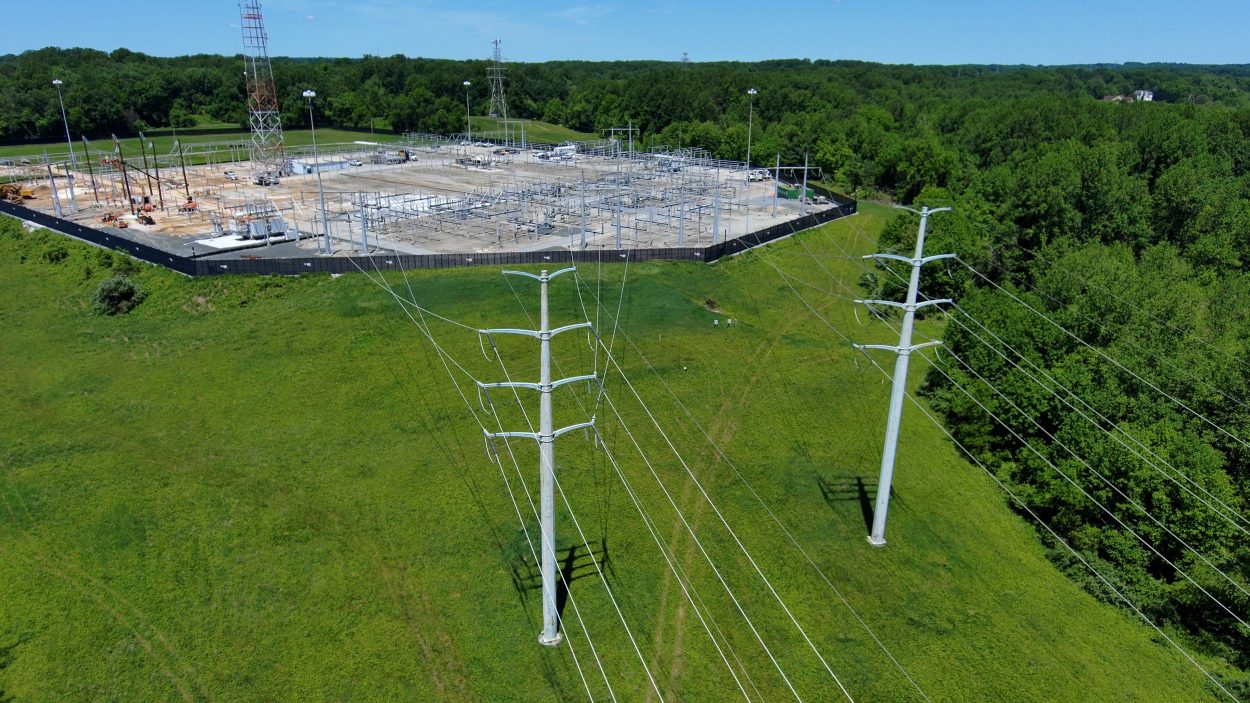
Substations play an integral role in getting power from where it is generated to where it is needed most: homes, businesses, and communities across the region. Think of a substation as a connection point. It functions as a hub or switchyard that allows power from different sources to be connected and routed efficiently.
Electricity is generated at power plants, often far from where it is ultimately used. Before that power reaches your neighborhood, it travels over high voltage transmission lines to a substation before finally reaching the distribution system. As it enters the substation, the voltage, or the force that moves electricity, may be increased or decreased depending on where it is headed next. From the substation, that electricity can be delivered directly to the distribution system or it can be sent to other substations for additional voltage reduction before being delivered to the distribution system.
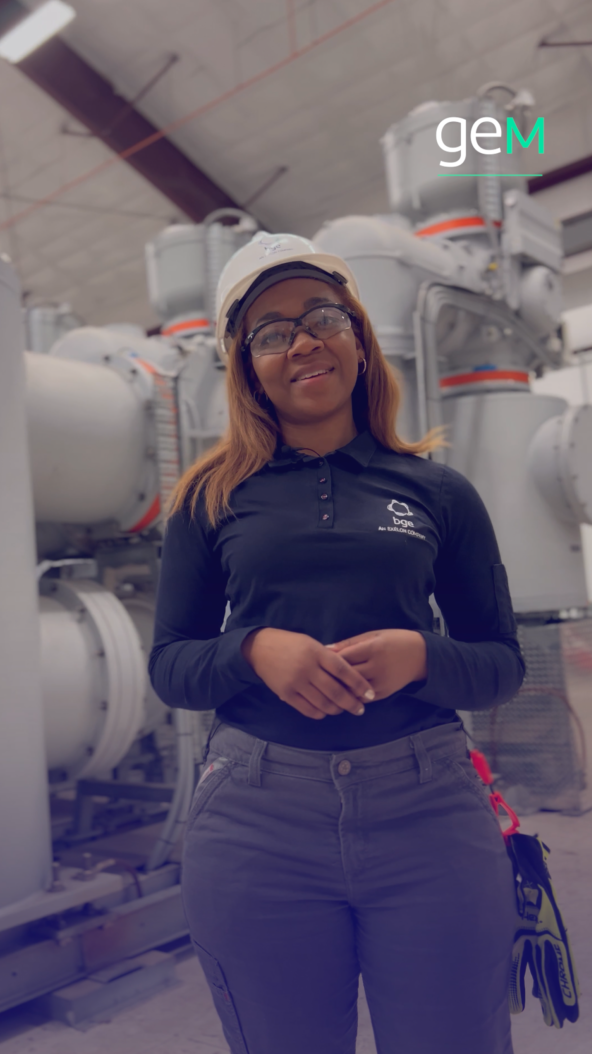
This is where substation transformers often come into play. High-voltage transformers at substations adjust electricity so it can move efficiently along transmission lines, sometimes over long distances. While some substations primarily serve as switching points and may not require voltage changes at that location, many rely on transformers to help manage power flow at the proper voltage level safely and effectively.
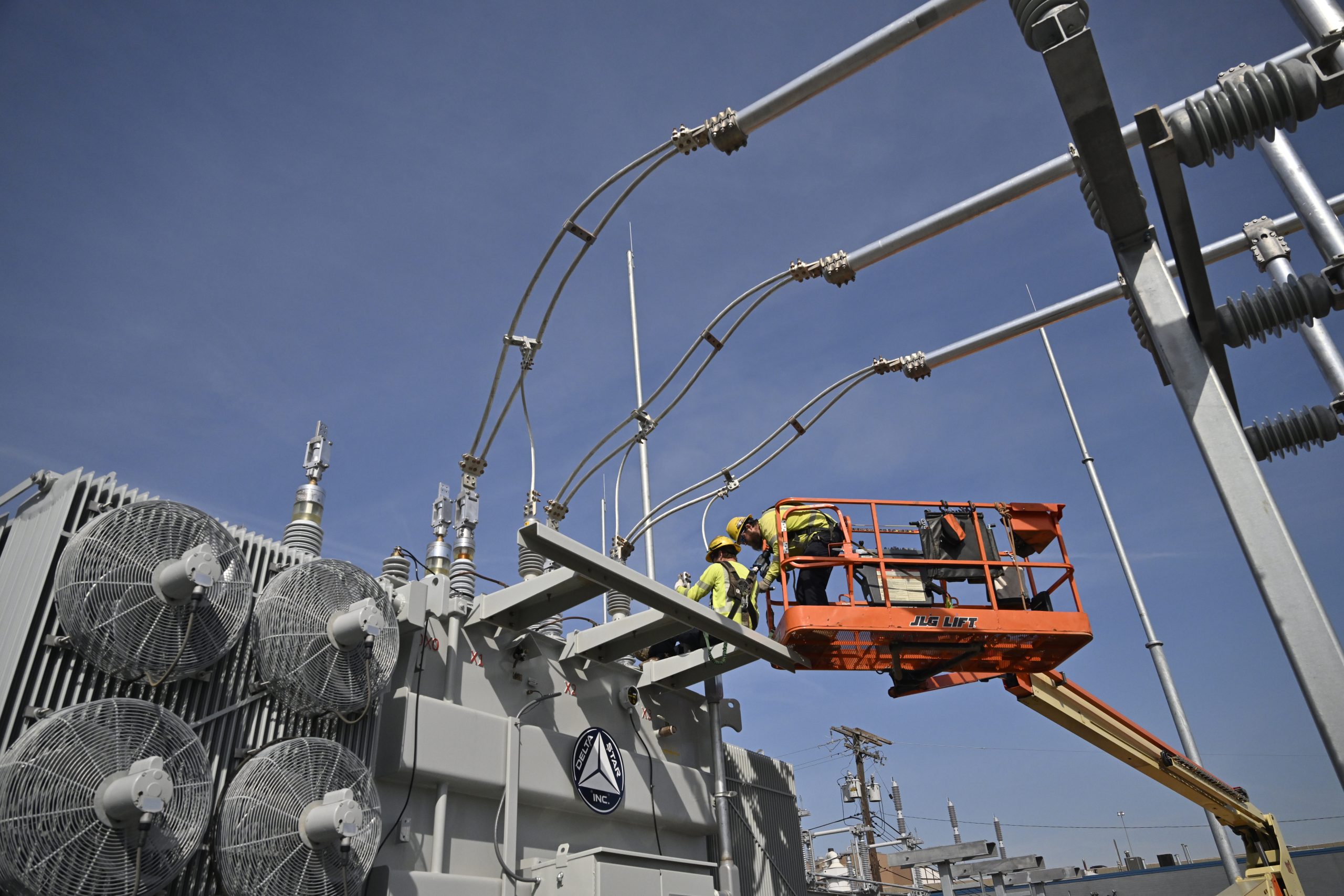
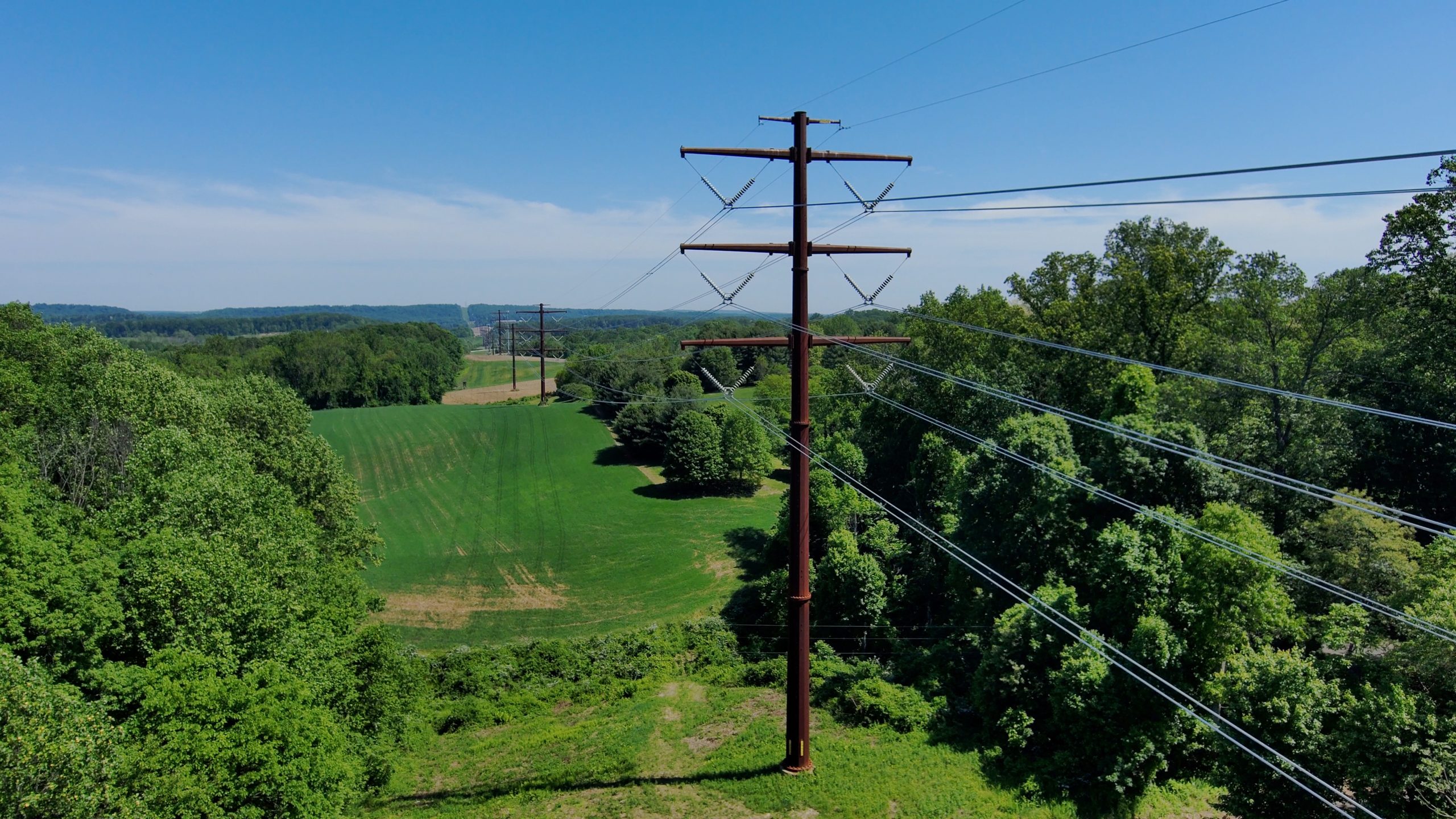
Once electricity reaches the proper voltage, it continues its journey along transmission lines, much like a bridge carrying energy from one place to another, until it reaches its destination. From there, power is distributed to homes, businesses, and other structures throughout the community.
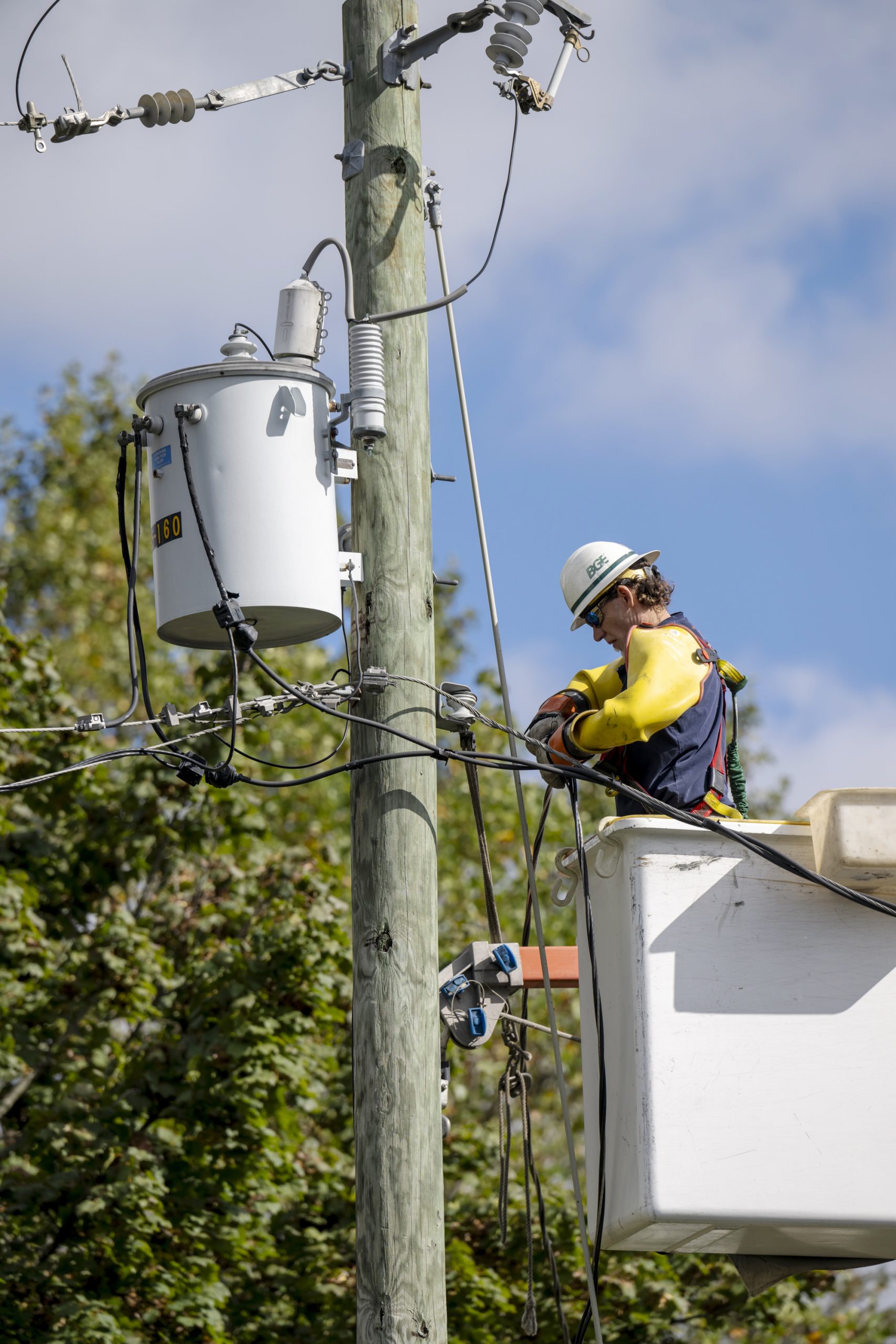
Closer to home, you may notice smaller transformers, the silver cans mounted on poles or ground-level equipment in neighborhoods. These distribution transformers serve a similar purpose on a smaller scale by further reducing voltage to levels that homes and appliances can safely use. Like a household electrical panel, they also include switches and breakers designed to detect and prevent faults.
Together, substations, transformers, and transmission lines form the backbone of the electric grid. They help balance demand, protect equipment, and ensure customers near and far receive safe, reliable service, often without ever realizing the work happening behind the scenes.
So the next time you flip a switch, remember the connection points making that moment possible!